Every time the finance office stays brightly lit at month’s end, Mr. Harrison, the Group’s Chief Financial Officer, stares pensively at towering stacks of paper invoices and original expense reimbursement forms. As a decision-maker at an intelligent equipment manufacturing firm, he handles expense claims from thousands of employees, plus unstandardized settlement documents from suppliers worldwide. Though core operations run on a sophisticated ERP system, paper records scattered across departments remain isolated "information silos," trapping the finance team in endless manual data entry work. This made Mr. Harrison realize: without a digital gateway for unstructured documents, the operational logic of smart manufacturing will forever be bogged down by manual labor.
The Compliance Countdown Under Regulation: The Breakthrough for Corporate Financial Transformation in 2026
For manufacturers, 2026 brings both business growth opportunities and a critical threshold for fiscal and tax compliance. As nationwide fully electronic invoice circulation expands fully, regulators have rolled out refined requirements for electronic document archiving and audit workflows. External compliance rules are no longer just policy red lines—they act as a catalyst forcing enterprises to upgrade internal management. For leading industrial groups like Manufacturing Group M, aligning with regulatory digitalization and turning external compliance pressure into internal efficiency growth has become an unavoidable core task in digital transformation.
The Efficiency Black Hole in Documents: Why Workshop Reimbursements Weigh Heavily on Finance Teams
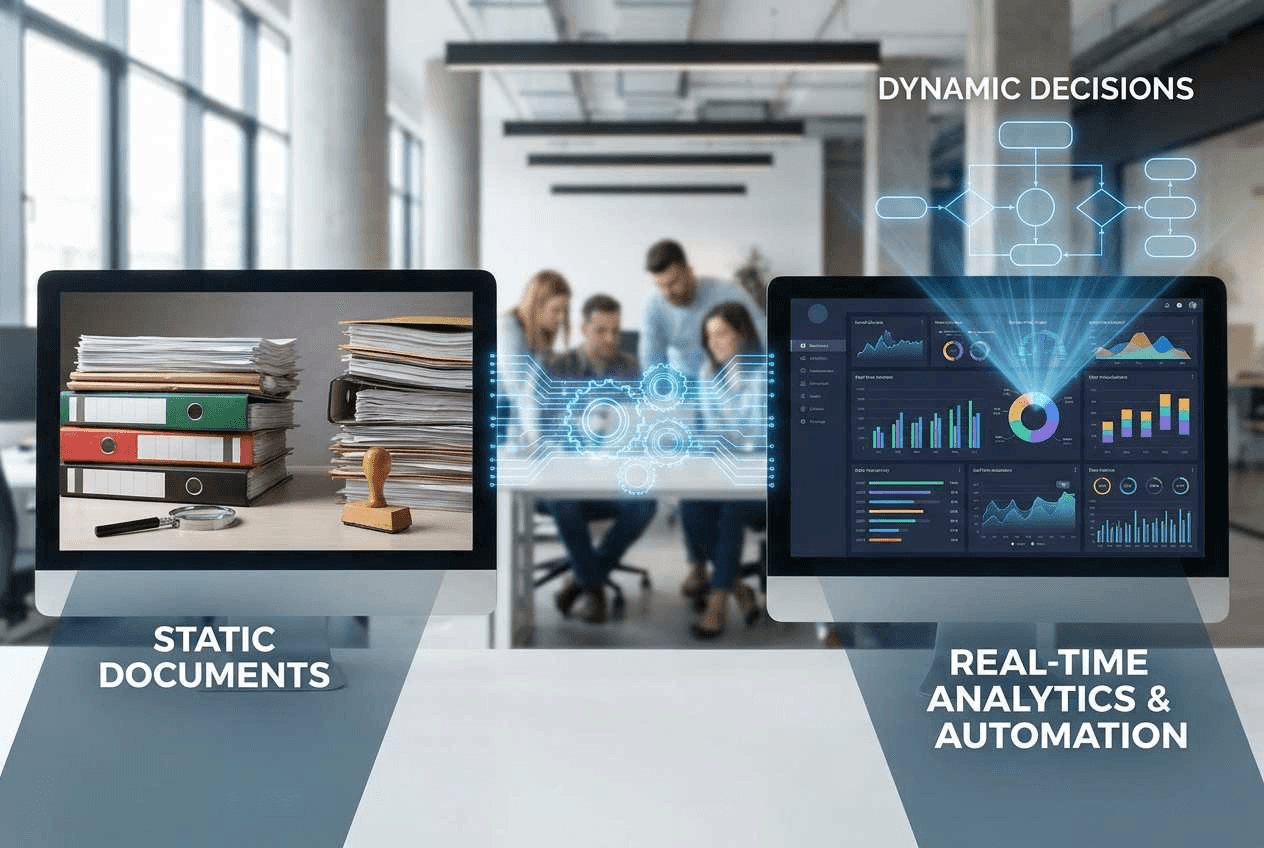
Within Manufacturing Group M’s production chain, a seemingly straightforward procurement reimbursement generates hidden costs across multiple departments. From sales staff organizing procurement paperwork to matching delivery receipts with purchase orders, the whole process is time-intensive and filled with repetitive cross-checking. Statistics show roughly 30% of the finance department’s monthly working hours are wasted on this low-value data entry work. As document data bounces back and forth between PDFs, physical paper and financial systems, broken data pipelines slow reimbursement cycles and prevent precise traceability for every expense line item.
Execution Traps Hidden in Details: Three Pain Points Embedded in Business Workflows
Beyond routine reimbursements, three scenarios quietly drain the organization’s agility in decision-making: Language & Format Barriers in Cross-Border Collaboration: When processing paperwork for overseas material procurement, vastly differing invoice formats across nations and a lack of unified digital data extraction tools reduce accounting accuracy. Static Sales Report Bottlenecks: Sales teams rely on static Excel summary spreadsheets. Without AI assistants to aggregate data on demand, leadership cannot access real-time multi-metric insights, delaying operational decisions. Endless Loops in Three-Way Matching: Manual cross-verification of purchase orders, delivery slips and goods receipt notes frequently leads to minor discrepancies in quantities or costs. Without intelligent tools to flag gaps, these inconsistencies go unnoticed until month-end settlement, creating urgent backtracking work.
Overlooked Digitalization Blind Spots: Why Human-AI Collaboration Rolls Out Slowly
In-depth reviews uncovered five deep-rooted internal management gaps slowing financial digitalization progress: biased perceptions (dismissing paperwork issues as trivial), disjointed legacy systems (no integration ports for unstandardized document capture), rigid outdated workflows (no automated process redesign), siloed departments (incompatible datasets), and outdated technical infrastructure (no foundational intelligent platform). These flaws leave businesses with superficial digital frameworks that deliver little real efficiency when processing massive volumes of paperwork.
Agent-Powered Closed-Loop Expense Management: The Implementation Roadmap for Docify Agent
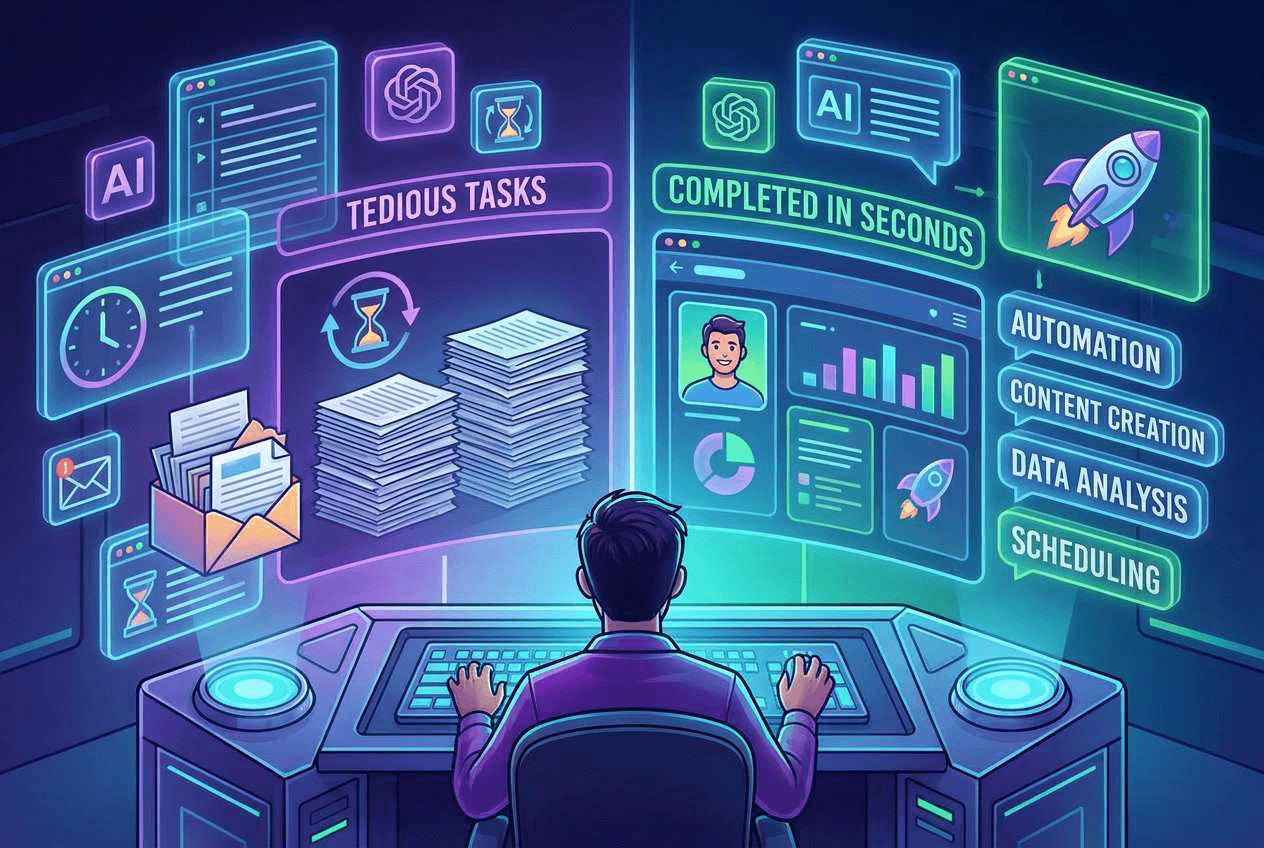
The heart of digital transformation lies in freeing staff from tedious repetitive tasks. The Docify Agent intelligent agent builds an end-to-end automated processing pipeline for enterprises: Document Structuring: Docify’s high-precision OCR instantly converts all types of slips and invoices into machine-readable structured data. Business Workflow Acceleration: The AI Agent auto-consolidates sales reports and generates analytical dashboards quickly via plain-language prompts. Intelligent Matching & Alerting: The agent automates three-way matching, identifies mismatches between recorded figures and actual transactions, and highlights anomalies prominently. An international supply chain enterprise adopted this framework and achieved drastically faster document processing, completing a full digital shift from manual data entry to automated data analysis.